2015 Subaru Forester Oil: Maintenance and Tips for Optimal Performance
The 2015 Subaru Forester is a reliable and versatile SUV that excels in both urban environments and off-road adventures. To ensure its long-term performance and durability, regular oil changes and using the correct oil type are essential. Here’s a guide to help you understand the proper oil requirements, change intervals, and tips for maintaining your Forester’s engine.
Recommended Oil Types for the 2015 Subaru Forester
The 2015 Subaru Forester comes with two engine options: a naturally aspirated 2.5L engine and a turbocharged 2.0L engine. Each engine requires specific oil types to ensure optimal performance.
-
2.5L Non-Turbocharged Engine (Standard for most trims like the 2.5i):
-
Recommended Oil: 0W-20 Full Synthetic Oil
-
This oil ensures smooth operation, better fuel efficiency, and provides superior performance in various temperatures.
-
2.0L Turbocharged Engine (Found in the 2.0XT model):
-
Recommended Oil: 5W-30 Full Synthetic Oil
-
This oil is ideal for turbocharged engines, offering enhanced protection against heat and high revs while maintaining engine efficiency.
Using the correct oil for your engine type will help maintain the engine’s longevity, performance, and overall health.
Oil Capacity for the 2015 Subaru Forester
The oil capacity varies slightly depending on the engine type:
It’s important to always check the oil level after changing the oil, as overfilling or underfilling can cause engine issues. Be sure to use the correct amount of oil as specified in your owner’s manual or by your mechanic.
Oil Change Intervals
To maintain the engine’s health and ensure optimal performance, Subaru recommends changing the oil at regular intervals:
-
Every 6,000 miles or 6 months, whichever comes first, for normal driving conditions.
-
If you often drive in severe conditions—such as frequent short trips, extreme temperatures, or towing—it may be necessary to change the oil more frequently, typically every 3,000-5,000 miles.
Regular oil changes ensure that the engine remains properly lubricated, preventing wear and tear and improving fuel efficiency.
Choosing the Right Oil for Your 2015 Subaru Forester
While 2015 Subaru Forester recommends specific oil types, there are a variety of high-quality synthetic oils that meet or exceed these specifications. Here are some options:
-
Genuine Subaru Oil: Subaru’s own synthetic oil is formulated to meet the specifications for all its vehicles, including the 2015 Forester.
-
Other Synthetic Brands: Trusted brands such as Mobil 1, Castrol, and Valvoline offer full synthetic oils that meet Subaru’s standards. Look for oils that are API (American Petroleum Institute) certified and approved for your engine’s specifications.
Tips for a Successful Oil Change
If you’re performing an oil change yourself, follow these essential steps to ensure the process goes smoothly:
-
Gather Tools: You’ll need an oil filter wrench, drain pan, funnel, and the correct oil type and amount.
-
Warm Up the Engine: Run the engine for a few minutes to warm up the oil, making it easier to drain.
-
Drain Old Oil: Remove the drain plug and allow the oil to drain fully.
-
Replace Oil Filter: Use an oil filter wrench to remove the old filter, lubricate the new filter’s rubber seal with a bit of fresh oil, and install it.
-
Add New Oil: Pour in the appropriate amount of new oil, checking the level with the dipstick to ensure it’s correct.
-
Check for Leaks: Start the engine for a minute, then inspect for any leaks around the filter and drain plug.
Maintaining the proper oil and performing regular oil changes is crucial to keeping your 2015 Subaru Forester running at its best. Using the recommended oil type, adhering to the suggested change intervals, and monitoring oil levels will help prolong your vehicle’s lifespan, optimize fuel efficiency, and maintain engine performance.
By staying on top of your oil maintenance, you’ll ensure your Forester continues to provide the reliability and performance Subaru is known for, whether you’re commuting to work or embarking on a weekend adventure.
This version is focused on clarity, SEO optimization, and providing readers with clear, actionable information. Let me know if you need further adjustment
2015 Subaru Forester Oil Filter: Essential Maintenance for Engine Health
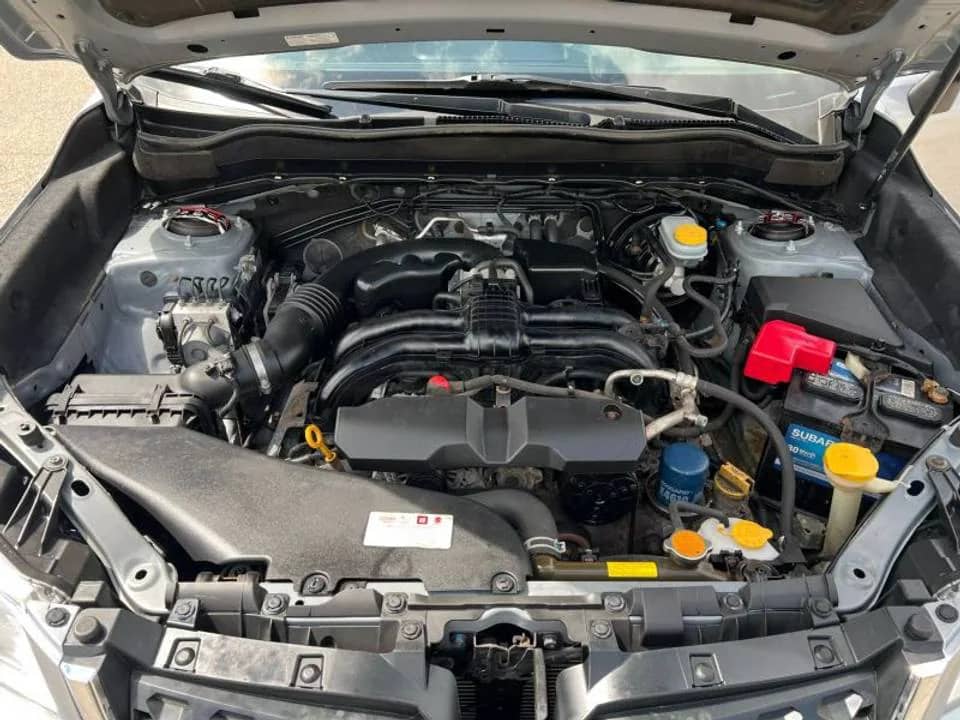
Regular oil changes are key to maintaining the performance and longevity of your 2015 Subaru Forester. One vital component of this process is the oil filter, which plays a crucial role in keeping your engine clean by removing contaminants from the oil. Let’s take a closer look at the oil filter for the 2015 Subaru Forester, its importance, and how to properly maintain it.
The Importance of the Oil Filter
The oil filter in your 2015 Subaru Forester helps to remove dirt, debris, and particles that accumulate in the engine oil as it circulates through the engine. Over time, these particles can cause damage to the engine if not filtered out. The oil filter works by trapping these contaminants, ensuring that clean oil is constantly circulating and lubricating the engine’s moving parts.
Regularly changing the oil filter along with the oil is crucial for ensuring that your engine runs smoothly and doesn’t suffer from unnecessary wear and tear. A clogged or dirty oil filter can lead to poor oil flow, reducing the effectiveness of the oil and potentially causing engine damage.
Oil Filter Specifications for the 2015 Subaru Forester
The oil filter for the 2015 Subaru Forester is designed to fit both the 2.5L non-turbocharged engine and the 2.0L turbocharged engine. However, the specific filter part number may vary depending on the engine type, so it’s essential to use the correct filter for your vehicle.
Here’s a breakdown of the oil filter specifications for each engine type:
Subaru recommends using an OEM (Original Equipment Manufacturer) oil filter to ensure the best performance and compatibility with your engine. However, high-quality aftermarket options like Mobil 1, K&N, and Fram also offer filters that meet or exceed Subaru’s specifications.
When Should You Replace the Oil Filter?
Subaru recommends replacing the oil filter during every oil change. For the 2015 Subaru Forester, the oil change interval is typically every 6,000 miles or 6 months, whichever comes first. However, if you frequently drive in severe conditions—such as towing, driving in extreme temperatures, or off-roading—you may want to replace the oil filter more often, potentially every 3,000-5,000 miles.
It’s also a good idea to inspect the oil filter regularly for signs of damage or leaks. If you notice any issues, it’s best to replace the oil filter immediately to avoid potential damage to the engine.
How to Replace the Oil Filter
Replacing the oil filter in your 2015 Subaru Forester is a straightforward process that can be done as part of an oil change. Here’s a quick guide:
Tools You’ll Need:
Step-by-Step Guide:
-
Warm Up the Engine: Run your Subaru Forester for a few minutes to warm up the oil. Warm oil drains faster and more completely.
-
Lift the Vehicle: If necessary, jack up the car to access the oil pan and filter.
-
Drain the Oil: Place the drain pan under the oil pan and remove the drain plug to allow the oil to drain fully.
-
Remove the Oil Filter: Use an oil filter wrench to remove the old oil filter. Be sure to place the drain pan under the filter, as some residual oil may spill out.
-
Prepare the New Oil Filter: Lightly lubricate the rubber gasket of the new oil filter with some fresh oil. This helps to create a proper seal and makes removal easier during the next oil change.
-
Install the New Oil Filter: Screw the new filter into place, hand-tightening it securely. Avoid overtightening, as this can make the filter difficult to remove later.
-
Add Fresh Oil: Once the filter is in place, pour in the recommended amount of fresh oil for your engine.
-
Check for Leaks: After replacing the filter and adding oil, start the engine and let it run for a minute. Check around the oil filter and drain plug for any signs of leaks.
-
Dispose of the Old Oil: Be sure to dispose of the used oil and filter properly. Many auto parts stores and service centers will accept used oil for recycling.
Replacing the oil filter in your 2015 Subaru Forester is an important part of routine maintenance. Whether you’re performing an oil change yourself or having it done at a service center, be sure to use the recommended oil filter for your specific engine type. Regular oil and filter changes will help to maintain your vehicle’s performance, extend its life, and keep it running smoothly for years to come.
Always refer to your Subaru Forester’s owner’s manual for additional guidance on oil maintenance, and if you’re unsure about performing the oil change yourself, consider visiting a certified Subaru service center to ensure the job is done right.
2015 Subaru Forester Interior: Comfort, Space, and Practical Design
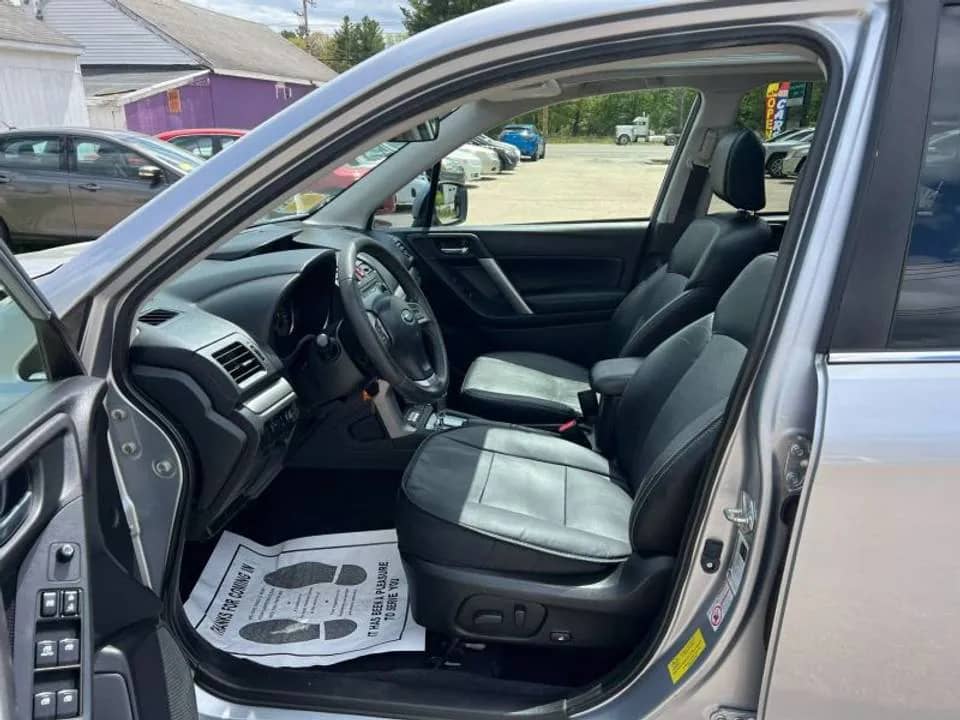
The 2015 Subaru Forester delivers much more than just rugged performance and reliable handling—it offers a thoughtfully designed interior that emphasizes comfort, utility, and convenience for everyday driving and weekend adventures alike. Whether you’re commuting through town, road-tripping with the family, or navigating snowy backroads, the Forester’s interior provides a pleasant and accommodating environment for driver and passengers.
Spacious Cabin with a Smart Layout
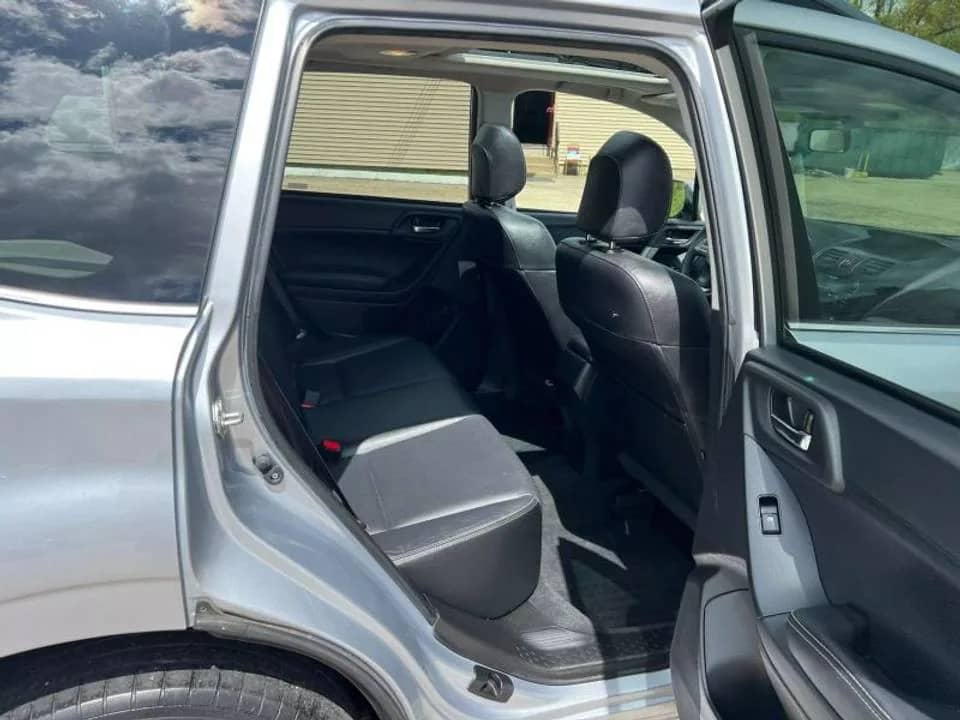
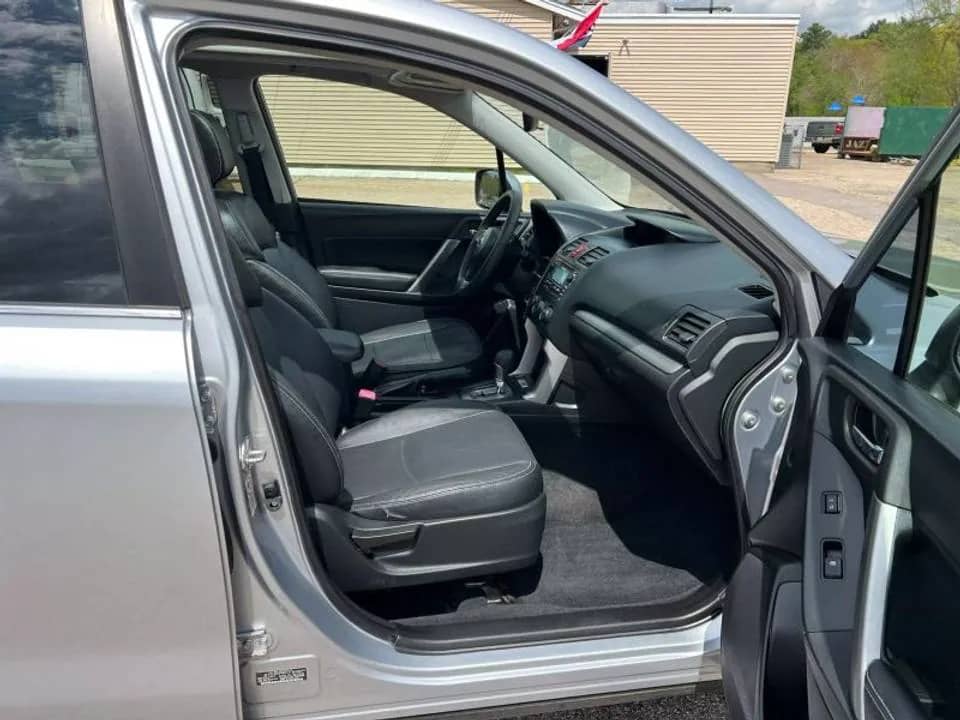
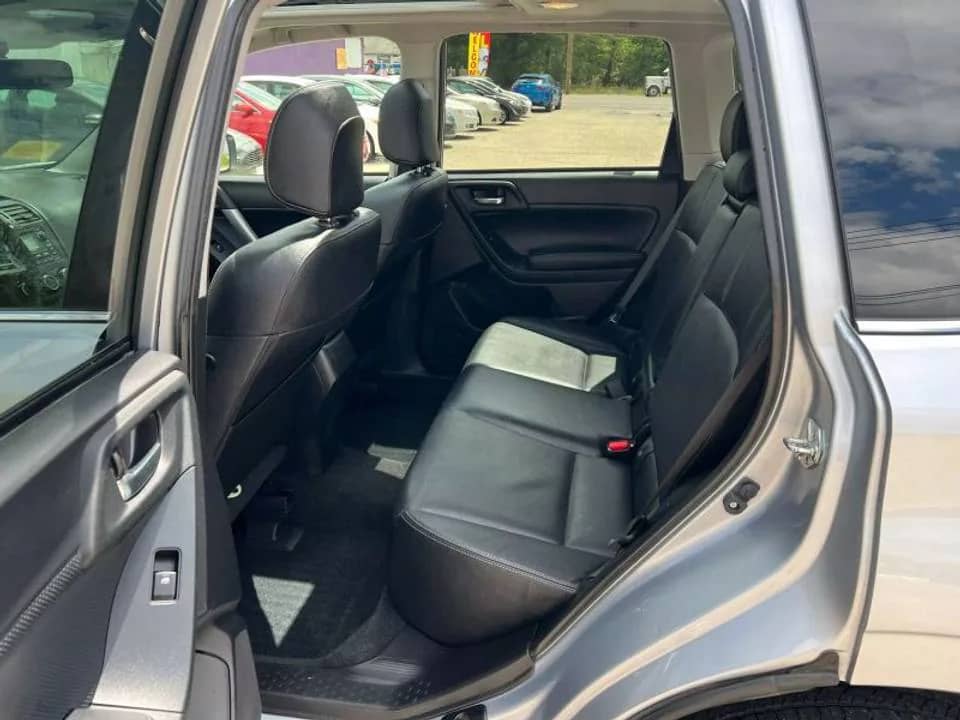
One of the most notable features of the 2015 Forester’s interior is its generous space. With ample headroom, legroom, and shoulder room for both front and rear passengers, the Forester offers one of the most spacious cabins in its class. Even taller passengers will find the rear seats comfortable on longer journeys.
-
Front Headroom: 40.0 inches
-
Rear Headroom: 39.8 inches
-
Front Legroom: 43.0 inches
-
Rear Legroom: 38.0 inches
The upright seating position gives drivers excellent visibility in all directions, making the Forester especially easy to maneuver in tight spaces and urban settings.
Quality Materials and Functional Design
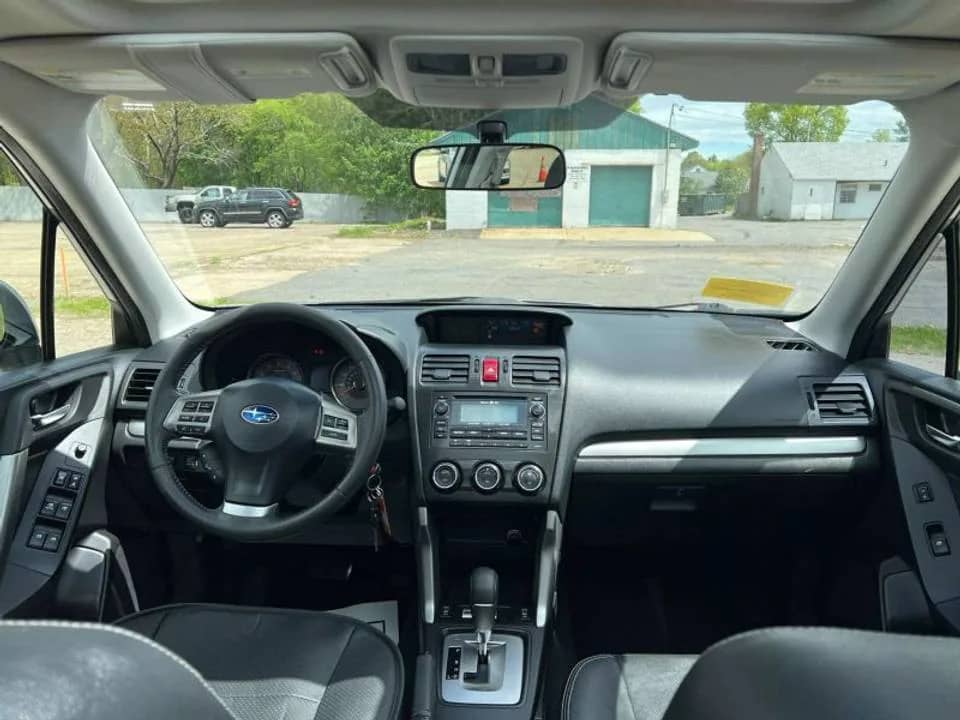
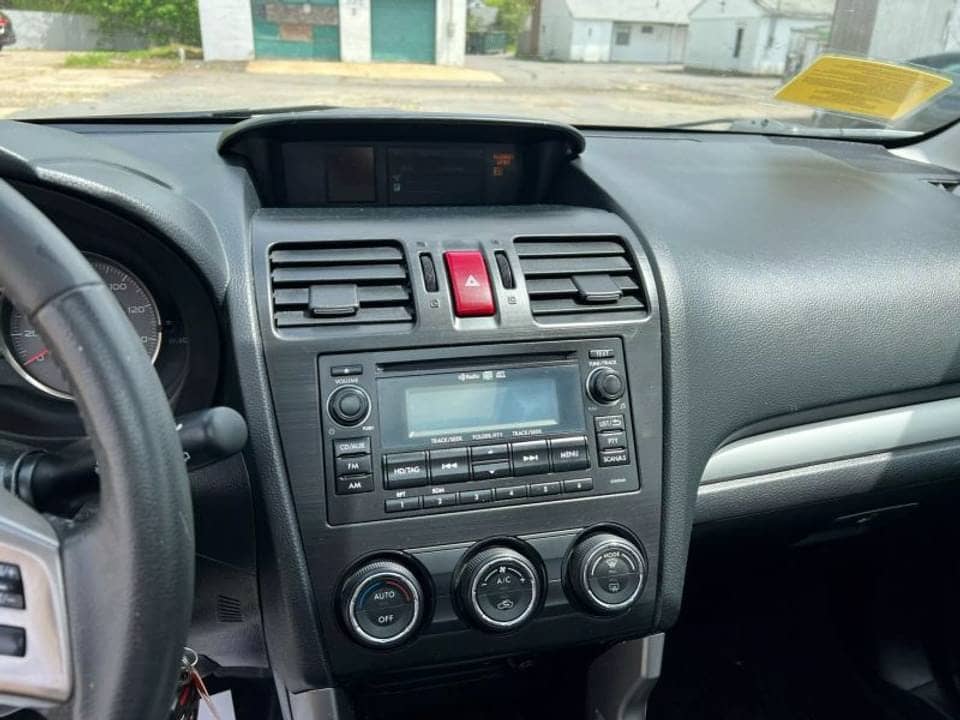
While the 2015 Forester isn’t trying to compete with luxury brands, it still offers quality materials and a clean, uncluttered design throughout the cabin. Soft-touch surfaces on the dashboard and doors give a premium feel, and the layout of buttons and controls is intuitive and within easy reach.
Higher trim levels, such as the 2.5i Limited and 2.0XT Touring, offer upscale touches like leather-trimmed upholstery, automatic climate control, and heated front seats, enhancing comfort during cold-weather driving.
Cargo Space and Versatility
Another major highlight of the 2015 Subaru Forester interior is its cargo capacity and flexibility. With the rear seats upright, the Forester provides 34.4 cubic feet of cargo space—plenty of room for groceries, gear, or luggage. Fold down the 60/40-split rear seats, and the available space expands to 74.7 cubic feet, making it ideal for larger items like bikes, camping gear, or moving boxes.
The wide rear hatch opening and low load floor make loading and unloading cargo easy and convenient, especially when compared to other compact SUVs.
Technology and Features
The 2015 Subaru Forester comes with a range of tech features designed to improve convenience, connectivity, and safety. Base models are equipped with a simple but effective infotainment system that includes:
-
Bluetooth hands-free phone and audio streaming
-
A USB port and auxiliary input
-
A 6.2-inch or 7-inch touchscreen interface (depending on trim)
-
Available navigation system on higher trims
In addition, available features such as keyless access with push-button start, a power rear liftgate, and a panoramic sunroof add both functionality and a touch of luxury.
Safety from the Inside Out
The interior of the 2015 Subaru Forester is built with safety in mind. Subaru’s engineering focus on safety includes advanced airbag systems, reinforced seats, and child-seat anchor points (LATCH). In higher trims, Subaru’s EyeSight® Driver Assist Technology is available, offering:
-
Adaptive Cruise Control
-
Lane Departure Warning
-
Pre-Collision Braking
These systems work seamlessly to help prevent accidents and give drivers added confidence behind the wheel.
Interior Trim Options
The 2015 Subaru Forester offers several trim levels and interior finishes, allowing buyers to choose a configuration that matches their style and comfort needs. Options include:
-
Cloth upholstery in base and Premium trims
-
Leather-trimmed seats in Limited and Touring models
-
Heated front seats standard on Premium trims and above
-
Available power-adjustable driver’s seat for personalized comfort
Color schemes typically include neutral tones like black, gray, and beige, which help create a calm and inviting atmosphere inside the cabin.
The 2015 Subaru Forester interior is all about practicality, comfort, and thoughtful design. It offers more than just a place to sit—it’s a space designed to support your active lifestyle. With roomy seating, versatile cargo space, and a user-friendly layout, the Forester proves itself as an SUV that’s just as comfortable as it is capable.
Whether you’re looking for a family vehicle or a dependable daily driver with adventure in its DNA, the Forester’s interior is ready to meet your needs.
2015 Subaru Forester Towing Capacity: What You Need to Know
The 2015 Subaru Forester stands out as a practical, versatile compact SUV built for everyday use and occasional adventure. One question many drivers ask before purchasing or using a Forester for outdoor activities is: What is the towing capacity of the 2015 Subaru Forester? Whether you’re planning to haul a small trailer, a couple of jet skis, or gear for a weekend getaway, understanding the Forester’s towing capabilities is essential.
Maximum Towing Capacity
The 2015 Subaru Forester has a maximum towing capacity of 1,500 pounds when properly equipped. This applies to most trim levels, including both the 2.5-liter naturally aspirated engine and the 2.0-liter turbocharged engine (XT trims). While this might not rival the towing power of larger SUVs or trucks, it is sufficient for light-duty towing tasks.
Here’s a quick overview by engine type:
-
2.5i models (non-turbo, 4-cylinder):
-
2.0XT models (turbocharged, 4-cylinder):
Despite the turbocharged engine delivering significantly more torque, 2015 Subaru Forester maintains the same official towing capacity across all 2015 Forester models. This uniformity likely stems from chassis design and braking capabilities rather than engine power alone.
What Can the 2015 Subaru Forester Tow?
With a towing capacity of 1,500 pounds, the 2015 Subaru Forester is best suited for light towing applications. Here are some examples of what it can safely tow:
-
Small utility trailers
-
Lightweight pop-up campers
-
Jet skis or small personal watercraft
-
Canoes, kayaks, or paddleboards (with a trailer)
-
Motorcycle trailers
-
Small landscaping equipment or garden trailers
Always refer to your trailer’s weight and factor in the total Gross Trailer Weight (GTW) and Tongue Weight to avoid exceeding the rated limits.
Towing Equipment and Preparation
To tow with the 2015 Subaru Forester you’ll need a proper towing setup. This includes:
-
A Class I or Class II hitch
-
Appropriate trailer wiring harness
-
Trailer lights (brake and turn signals)
-
Trailer brakes (optional, but recommended if the trailer is near capacity)
Subaru does not factory-install hitches on the Forester, but dealerships and aftermarket vendors offer complete towing kits specifically designed for the 2015 model.
It’s also important to follow proper towing procedures. Subaru recommends:
-
Avoiding towing during the engine break-in period (first 1,000 miles)
-
Driving at moderate speeds
-
Monitoring engine temperature
-
Checking tire pressure regularly
Always consult the owner’s manual for 2015 Subaru Forester official towing guidelines and restrictions.
All-Wheel Drive Advantage
One benefit of towing with the 2015 Subaru Forester is its Symmetrical All-Wheel Drive (AWD) system. This standard feature provides enhanced traction and stability, especially when towing in adverse weather conditions like rain or snow. While AWD doesn’t increase towing capacity, it can make towing safer and more predictable.
Towing Capacity vs. Payload
It’s also worth understanding the difference between towing capacity and payload capacity. Payload refers to the total weight the vehicle can carry inside, including passengers and cargo. Towing capacity refers to how much weight it can safely pull behind it. Overloading either limit can put undue stress on your vehicle’s engine, transmission, and suspension.
Final Thoughts
While the 2015 Subaru Forester isn’t a heavy-duty towing vehicle, it offers reliable towing capabilities for small trailers and light gear. Its standard AWD, balanced ride, and efficient engine make it a strong choice for drivers who occasionally need to tow but also want a comfortable daily driver.
If your towing needs are modest and you value a smooth, capable crossover with proven reliability, the 2015 Forester is a smart and practical option. Just remember to tow safely, stay within the 1,500-pound limit, and properly equip your Forester with the right hardware for the job.
VISIT OUR FACEBOOK








Reviews
There are no reviews yet.