2013 subaru forester xt Oil Filter: Everything You Need to Know
When it comes to maintaining your 2013 subaru forester xt, regular oil changes are one of the most important steps you can take to keep your engine running smoothly for years to come. And at the heart of every oil change is one small but essential component: the oil filter.
The oil filter plays a critical role in protecting your engine by removing dirt, metal particles, and other contaminants from the motor oil. For the 2013 subaru forester xt using the right oil filter ensures peak performance, fuel efficiency, and long-term engine health.
What Oil Filter Does a 2013 subaru forester xt Use?
The 2013 subaru forester xt is typically equipped with a 2.5-liter 4-cylinder Boxer engine, which requires a specific oil filter type. The most commonly recommended OEM (original equipment manufacturer) oil filter for this model is the Subaru Part Number 15208AA15A or its updated version 15208AA170.
This OEM filter is designed specifically for 2013 subaru forester xt engines and includes the following features:
-
Anti-drainback valve to prevent dry starts
-
High-quality filter media for excellent filtration
-
Perfect fit with factory threads and sealing gasket
While OEM filters are generally preferred for their precise fit and proven reliability, several reputable aftermarket brands also offer compatible oil filters. Trusted options include:
-
Fram XG6607
-
Bosch 3330
-
WIX 51365
-
Mobil 1 M1-108A
-
K&N HP-1008
If you’re using synthetic oil and want extended performance, premium filters like the Fram Ultra Synthetic or Mobil 1 Extended Performance are excellent choices.
How Often Should You Change the Oil Filter?
2013 subaru forester xt recommends changing your oil and oil filter every 3,000 to 5,000 miles if you use conventional oil. For synthetic oil, which is more common today, you can extend this interval to 7,500 to 10,000 miles, depending on your driving habits.
However, changing the filter with every oil change is always a smart practice. A fresh filter ensures your new oil stays clean and effective for as long as possible.
DIY Oil Filter Change: What You’ll Need
If you’re planning to change your oil filter yourself, here’s a list of what you’ll need:
Steps to replace the oil filter:
-
Warm up the engine slightly (but not too hot).
-
Safely raise and secure the vehicle.
-
Place the catch pan under the oil drain plug.
-
Remove the drain plug and allow the oil to fully drain.
-
Use the oil filter wrench to remove the old filter.
-
Apply a small amount of new oil to the rubber gasket on the new filter.
-
Screw on the new filter by hand until snug—do not overtighten.
-
Replace the drain plug and refill the engine with oil.
-
Start the engine and check for leaks.
-
Check oil level and top off if necessary.
Signs You May Need a New Oil Filter
While oil filters are typically replaced on a schedule, you might also notice signs that your filter is overdue for replacement:
Ignoring these symptoms can lead to costly engine damage over time. That’s why it’s always best to stick to a regular oil and filter maintenance routine.
Final Thoughts
The oil filter may be a small part of your 2013 subaru forester xt, but it plays a big role in keeping your engine healthy and efficient. Choosing a quality filter—whether OEM or high-grade aftermarket—and replacing it on schedule will help extend the life of your engine and give you peace of mind every time you drive.
By taking this simple step seriously, you’re making a smart investment in the longevity and reliability of your Forester.
Would you like a shorter version for e-commerce or an infographic breakdown for social media?
Exploring the Interior of the 2013 subaru forester xt: Comfort, Space, and Practicality
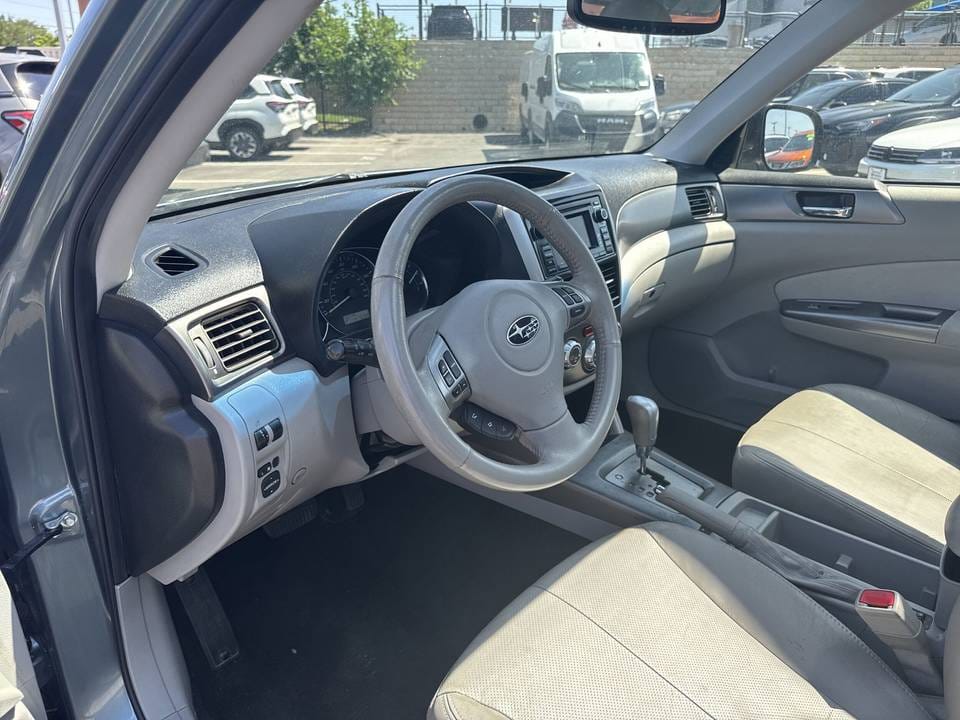
The 2013 subaru forester xt stands out as a reliable, adventure-ready compact SUV, and one of its most appealing qualities is its well-designed interior. Blending simplicity with function, the Forester offers comfort, visibility, and practicality in a way that suits daily drivers, outdoor enthusiasts, and families alike.
Whether you’re navigating city streets or heading into the mountains, the interior of the 2013 subaru forester xt is designed to make every drive comfortable and convenient.
Spacious Cabin with Exceptional Visibility
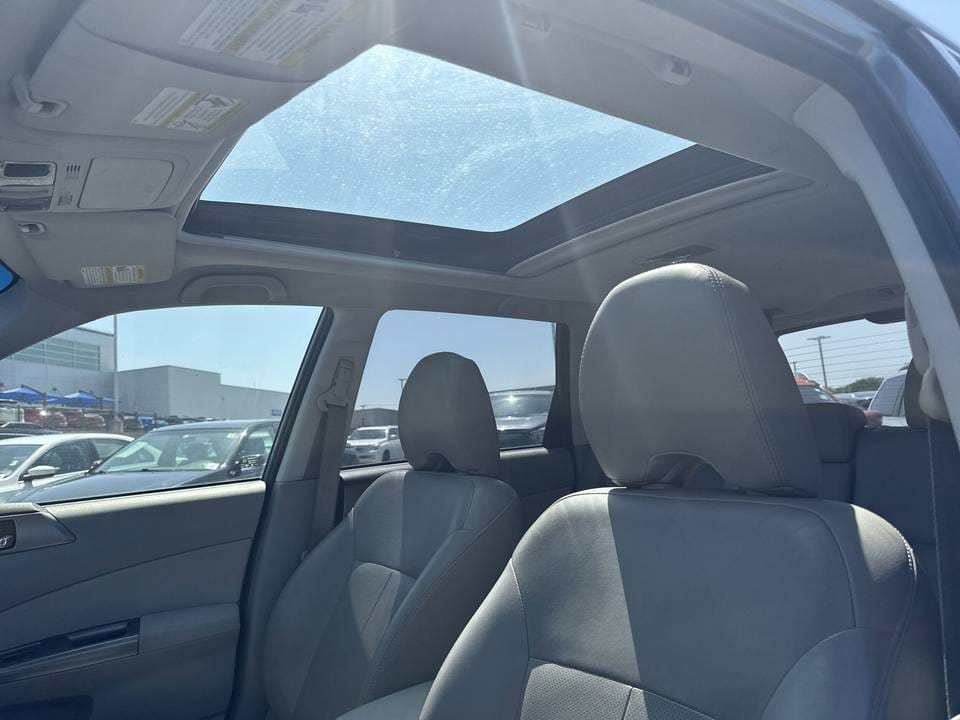
One of the first things you notice when you step inside the 2013 subaru forester xt is the feeling of openness. Thanks to its upright design and large windows, the cabin feels airy and spacious. Drivers and passengers benefit from excellent outward visibility, making the Forester especially easy to drive and park.
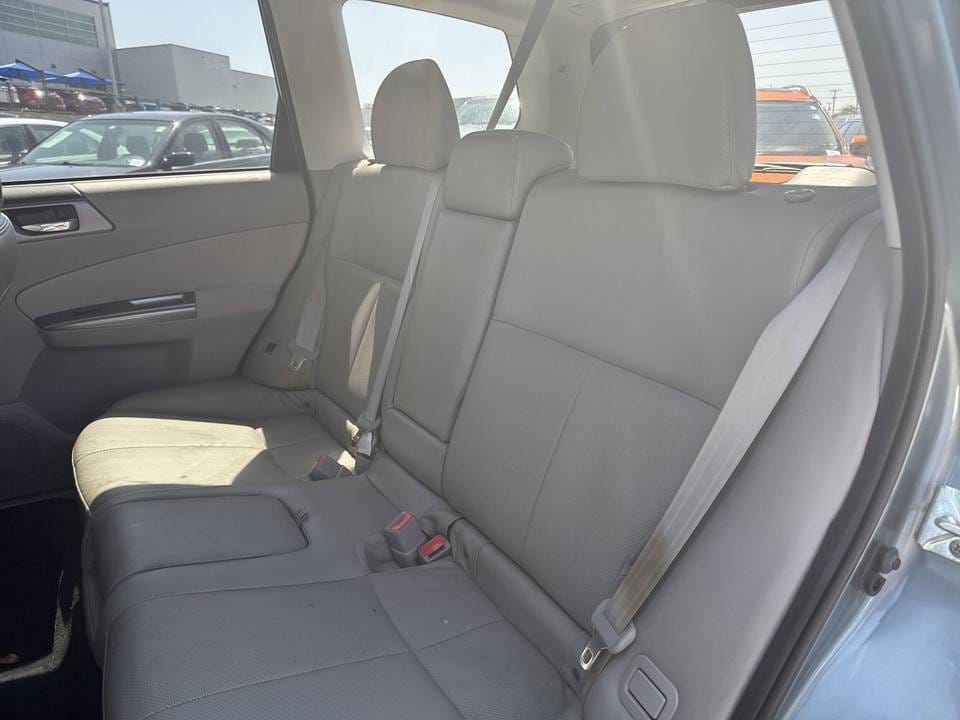
The tall roofline contributes to a roomy feel, especially in the front and rear seating areas. Unlike many compact SUVs that prioritize sleek styling at the cost of headroom, the 2013 subaru forester xt offers generous space throughout the cabin. Even taller passengers will find ample headroom and legroom in both rows.
Comfortable Seating for Five
The 2013 subaru forester xt seats up to five passengers, with supportive cloth upholstery as standard. Higher trims like the 2.5X Premium and 2.5XT Limited offer upgraded materials such as leather-trimmed seating, a power-adjustable driver’s seat, and heated front seats for enhanced comfort in colder weather.
The seats are designed for long-distance comfort, offering moderate bolstering and a high seating position that many drivers prefer for better road visibility. Rear passengers enjoy a reclining seatback, and the 60/40-split folding rear seats add flexibility for cargo loading.
Intuitive Dashboard and Controls
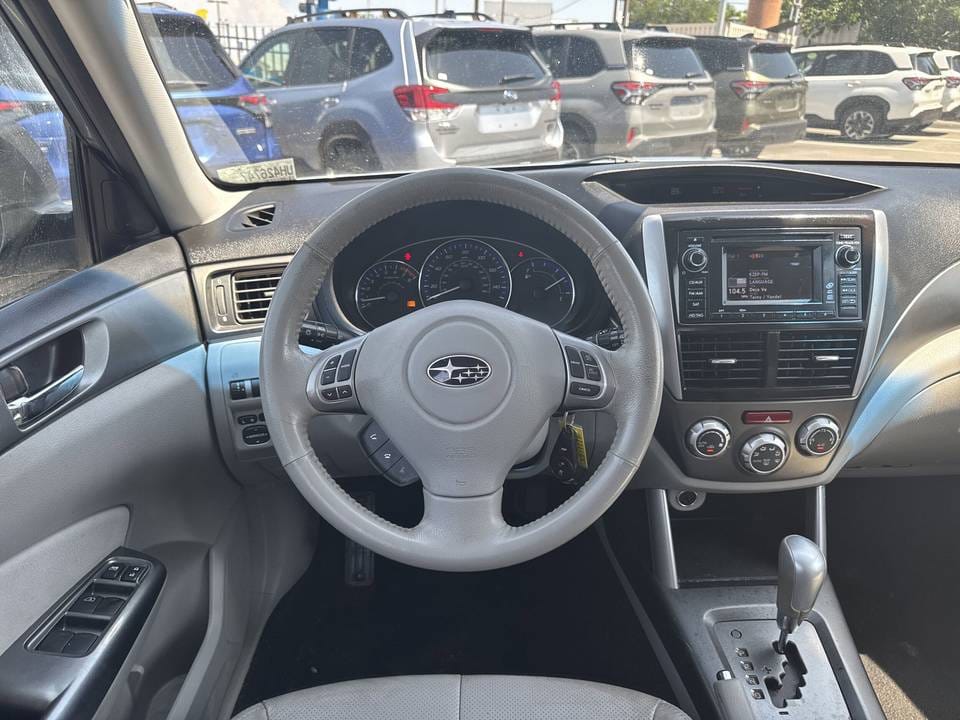
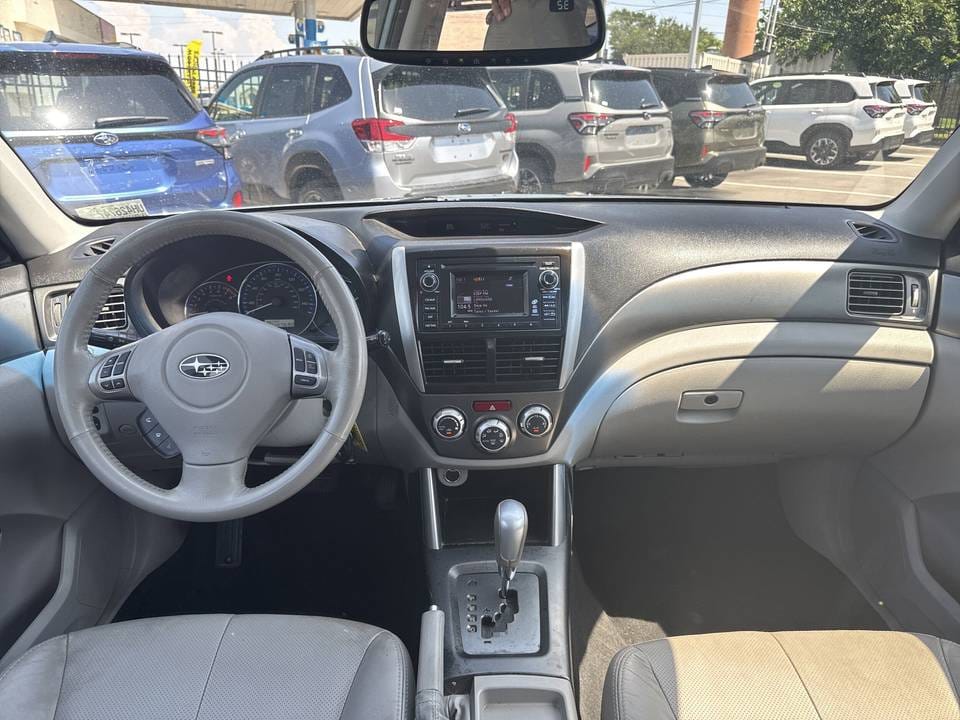
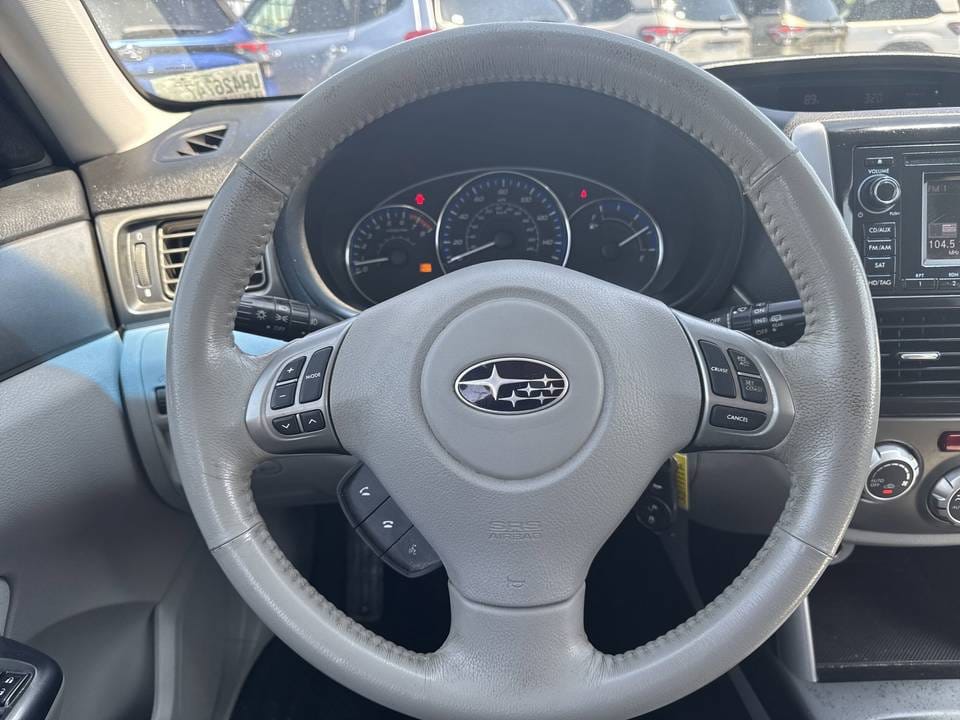
The interior design of the 2013 subaru forester xt is clean, functional, and driver-focused. The dashboard layout is straightforward, with clearly marked buttons and knobs that are easy to reach and understand—even while wearing gloves, which is a thoughtful touch for outdoor or winter use.
Standard models feature a basic but functional audio system with CD player, auxiliary input, and four speakers. Higher trims offer upgrades such as a 6-speaker premium sound system, Bluetooth hands-free calling, USB input, and automatic climate control. Navigation and a touchscreen interface were optional on top trims, offering added convenience for tech-minded drivers.
Cargo Space and Practical Utility
True to Subaru’s practical nature, the 2013 subaru forester xt offers generous cargo capacity for its class. Behind the rear seats, you get 33.5 cubic feet of space—ideal for groceries, gear, or luggage. Fold down the rear seats and the cargo area expands to 68.3 cubic feet, creating a nearly flat load floor perfect for larger items, camping gear, or even small furniture.
Additionally, there are several interior storage compartments, cup holders, and door pockets throughout the cabin, making it easy to organize everyday essentials.
Interior Trim and Finishing Touches
While the 2013 subaru forester xt interior leans more toward utility than luxury, Subaru ensures that materials are durable and well put-together. Soft-touch surfaces on key touchpoints, silver accent trim, and available leather-wrapped steering wheels on higher trims provide a touch of refinement.
Noise insulation is decent for the segment, though some road and wind noise may be present at higher speeds—especially on models equipped with the panoramic sunroof. Still, the overall build quality is solid, with materials that hold up well over time and use.
The 2013 subaru forester xt interior is a testament to Subaru’s philosophy of building vehicles that are practical, dependable, and ready for real-world use. With a roomy cabin, easy-to-use controls, ample cargo space, and family-friendly comfort, it remains a strong choice for drivers seeking a capable compact SUV.
Whether you’re commuting through town or chasing trails on the weekend, the 2013 subaru forester xt interior makes every journey a little more enjoyable—with no fuss and plenty of function.
Exploring the Interior of the 2013 subaru forester xt: Comfort, Space, and Practicality
The 2013 subaru forester xt r stands out as a reliable, adventure-ready compact SUV, and one of its most appealing qualities is its well-designed interior. Blending simplicity with function, the Forester offers comfort, visibility, and practicality in a way that suits daily drivers, outdoor enthusiasts, and families alike.
Whether you’re navigating city streets or heading into the mountains, the interior of the 2013 subaru forester xt is designed to make every drive comfortable and convenient.
Spacious Cabin with Exceptional Visibility
One of the first things you notice when you step inside the 2013 subaru forester xt is the feeling of openness. Thanks to its upright design and large windows, the cabin feels airy and spacious. Drivers and passengers benefit from excellent outward visibility, making the Forester especially easy to drive and park.
The tall roofline contributes to a roomy feel, especially in the front and rear seating areas. Unlike many compact SUVs that prioritize sleek styling at the cost of headroom, the 2013 subaru forester xt offers generous space throughout the cabin. Even taller passengers will find ample headroom and legroom in both rows.
Comfortable Seating for Five
The 2013 subaru forester xt seats up to five passengers, with supportive cloth upholstery as standard. Higher trims like the 2.5X Premium and 2.5XT Limited offer upgraded materials such as leather-trimmed seating, a power-adjustable driver’s seat, and heated front seats for enhanced comfort in colder weather.
The seats are designed for long-distance comfort, offering moderate bolstering and a high seating position that many drivers prefer for better road visibility. Rear passengers enjoy a reclining seatback, and the 60/40-split folding rear seats add flexibility for cargo loading.
Intuitive Dashboard and Controls
The interior design of the 2013 subaru forester xt is clean, functional, and driver-focused. The dashboard layout is straightforward, with clearly marked buttons and knobs that are easy to reach and understand—even while wearing gloves, which is a thoughtful touch for outdoor or winter use.
Standard models feature a basic but functional audio system with CD player, auxiliary input, and four speakers. Higher trims offer upgrades such as a 6-speaker premium sound system, Bluetooth hands-free calling, USB input, and automatic climate control. Navigation and a touchscreen interface were optional on top trims, offering added convenience for tech-minded drivers.
Cargo Space and Practical Utility
True to 2013 subaru forester xt practical nature, the 2013 subaru forester xt offers generous cargo capacity for its class. Behind the rear seats, you get 33.5 cubic feet of space—ideal for groceries, gear, or luggage. Fold down the rear seats and the cargo area expands to 68.3 cubic feet, creating a nearly flat load floor perfect for larger items, camping gear, or even small furniture.
Additionally, there are several interior storage compartments, cup holders, and door pockets throughout the cabin, making it easy to organize everyday essentials.
Interior Trim and Finishing Touches
While the 2013 subaru forester xt interior leans more toward utility than luxury, Subaru ensures that materials are durable and well put-together. Soft-touch surfaces on key touchpoints, silver accent trim, and available leather-wrapped steering wheels on higher trims provide a touch of refinement.
Noise insulation is decent for the segment, though some road and wind noise may be present at higher speeds—especially on models equipped with the panoramic sunroof. Still, the overall build quality is solid, with materials that hold up well over time and use.
Final Thoughts
The 2013 subaru forester xt interior is a testament to Subaru’s philosophy of building vehicles that are practical, dependable, and ready for real-world use. With a roomy cabin, easy-to-use controls, ample cargo space, and family-friendly comfort, it remains a strong choice for drivers seeking a capable compact SUV.
Whether you’re commuting through town or chasing trails on the weekend, the Forester’s interior makes every journey a little more enjoyable—with no fuss and plenty of function.
Would you like a version tailored for a car listing, social post, or dealership brochure?
Understanding the 2013 subaru forester xt Catalytic Converter: Function, Maintenance, and Replacement
The 2013 subaru forester xt is known for its reliability, efficiency, and all-weather capability. But like every vehicle, it relies on a number of essential components to function smoothly—and one of the most important parts of the emissions system is the catalytic converter.
If you’re wondering what the catalytic converter does, how long it lasts, or when it might need replacing, this guide covers everything you need to know about the 2013 subaru forester xt catalytic converter.
What Is a Catalytic Converter?
The catalytic converter is a key component of your vehicle’s exhaust system. Its primary job is to reduce harmful emissions before they exit the tailpipe. It converts toxic gases—such as carbon monoxide, nitrogen oxides, and hydrocarbons—into less harmful substances like carbon dioxide and water vapor.
Located between the engine and the muffler, the catalytic converter uses precious metals like platinum, palladium, and rhodium to trigger chemical reactions that clean the exhaust gases. For the 2013 subaru forester xt, which typically comes with a 2.5L 4-cylinder Boxer engine, the catalytic converter is designed for maximum efficiency and compliance with emissions standards.
How Many Catalytic Converters Does the 2013 subaru forester xt Have?
The 2013 subaru forester xt typically has two catalytic converters—one primary (front) converter integrated into the exhaust manifold near the engine, and one secondary (rear) converter located further downstream in the exhaust system. Together, they help ensure the vehicle meets emissions standards set by the EPA and CARB (California Air Resources Board), depending on the vehicle’s specific configuration.
Signs of a Failing Catalytic Converter
Catalytic converters are built to last, often 100,000 miles or more, but they can fail prematurely due to engine issues, contamination, or physical damage. If your catalytic converter is going bad, you may notice:
-
Check Engine Light: A failing catalytic converter often triggers the P0420 trouble code, indicating low catalyst efficiency.
-
Decreased Engine Performance: A clogged converter can restrict exhaust flow, reducing power and acceleration.
-
Rattling Noise: If the internal ceramic structure breaks down, you may hear a metallic rattling sound from underneath the vehicle.
-
Sulfur Smell: A failing converter may produce a rotten egg smell due to unburned fuel or gases.
-
Failed Emissions Test: If your Forester doesn’t pass a smog check, the catalytic converter could be to blame.
Maintenance and Prevention
To extend the life of your catalytic converter:
-
Fix engine problems promptly: Misfires, oil leaks, or running rich can contaminate the converter.
-
Use quality fuel: Avoid fuel additives or poor-quality gas that can cause buildup.
-
Keep up with regular maintenance: Regular oil changes, spark plug replacement, and fuel system cleanings all help protect the converter.
Replacement Cost and Options
If your catalytic converter fails, replacement can be costly due to the precious metals it contains. On a 2013 subaru forester xt, replacement costs typically range from $800 to $2,000, depending on labor, location, and whether you’re replacing the front or rear converter.
You have a few options:
-
OEM (Original Equipment Manufacturer) parts: More expensive but ensure proper fit and performance.
-
Aftermarket converters: Less expensive but may not meet emissions standards in stricter states like California.
-
Direct-fit vs. universal: Direct-fit converters are easier to install but may cost more than universal ones, which require custom welding.
Note: If you live in California or another CARB state, be sure to purchase a CARB-compliant catalytic converter to meet local regulations.
Final Thoughts
The catalytic converter in the 2013 subaru forester xt is a vital part of your vehicle’s emission system, ensuring you drive clean and stay compliant with environmental regulations. While it’s designed to last for years, knowing the signs of trouble and how to prevent damage can save you thousands in repairs.
If you suspect an issue with your catalytic converter, it’s best to have your Forester inspected by a qualified technician. Replacing a failing converter promptly ensures optimal engine performance, fuel efficiency, and a cleaner ride—every mile of the way.
VISIT FACEBOOK








Reviews
There are no reviews yet.