



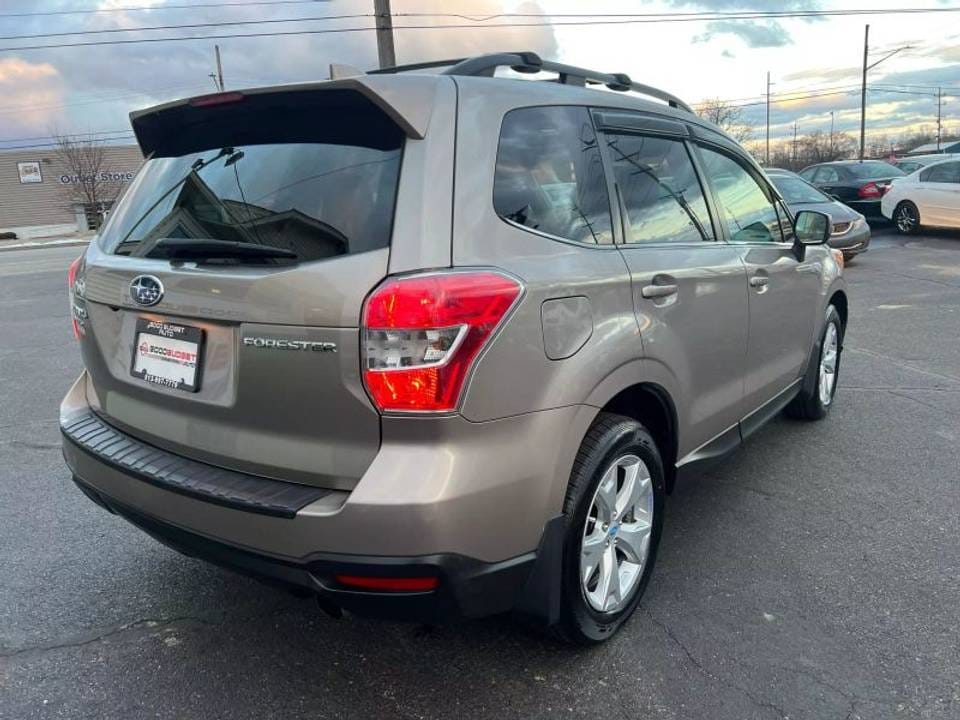

Description
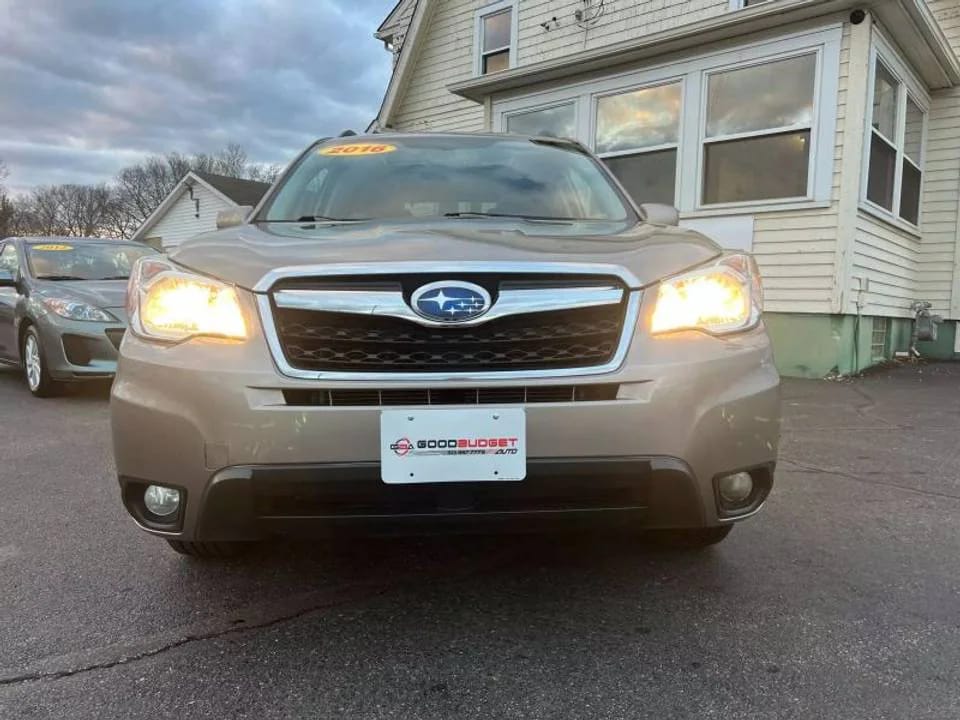
2016 Subaru Forester
Mileage
122,122
Ext. Color
Burnished Bronze Metallic
Int. Color
Black leather
Engine
gas
Transmission
automatic
Drivetrain
all wheel drive
MPG
24/32 City/Hwy MPGBased on model year EPA mileage ratings for a standardly equipped Forester. Use for comparison purposes only. Your mileage will vary depending on how you drive and maintain your vehicle, driving conditions, battery-pack age/condition and other factors.
27 Combined MPG
Horsepower
170 hp
Max Towing Capacity
1,500 lbs
Seats
5Based on default model values and available option information. Contact dealer to confirm.
VIN
JF2SJAKC4GH487980
Stock #
487980
The 2016 Subaru Forester: A Detailed Look for DMV USED CARS LLC Customers
Design and Exterior
For customers at DMV USED CARS LLC seeking a reliable, versatile, and capable compact SUV, the 2016 Subaru Forester stands out as a compelling option. Known for its standard Symmetrical All-Wheel Drive, practical design, and strong safety record, the 2016 Forester offers a blend of features that make it well-suited for various lifestyles, from daily commuting to weekend adventures. As a used vehicle, the 2016 Forester represents a solid value proposition, building on Subaru’s reputation for durability and longevity. This detailed overview provides DMV USED CARS LLC customers with comprehensive information about this popular model year.
The 2016 Subaru Forester features a functional and somewhat boxy exterior design, a characteristic that contributes significantly to its interior space and excellent visibility. The design prioritizes utility, with a relatively tall profile and large windows. Depending on the trim level, the exterior can range from basic steel wheels on the entry-level models to larger alloy wheels and chrome accents on higher trims. Roof rails are standard on most trims, enhancing its practicality for carrying gear. The overall aesthetic is rugged and understated, reflecting its capability rather than focusing solely on sleek styling. The ground clearance is a notable feature, typically around 8.7 inches, which is higher than many competitors and beneficial for navigating rough roads or snowy conditions.
The 2016 Subaru Forester offers two distinct engine choices, both utilizing Subaru’s signature horizontally opposed “Boxer” configuration, which provides a lower center of gravity for improved handling.
Engine Options and Performance
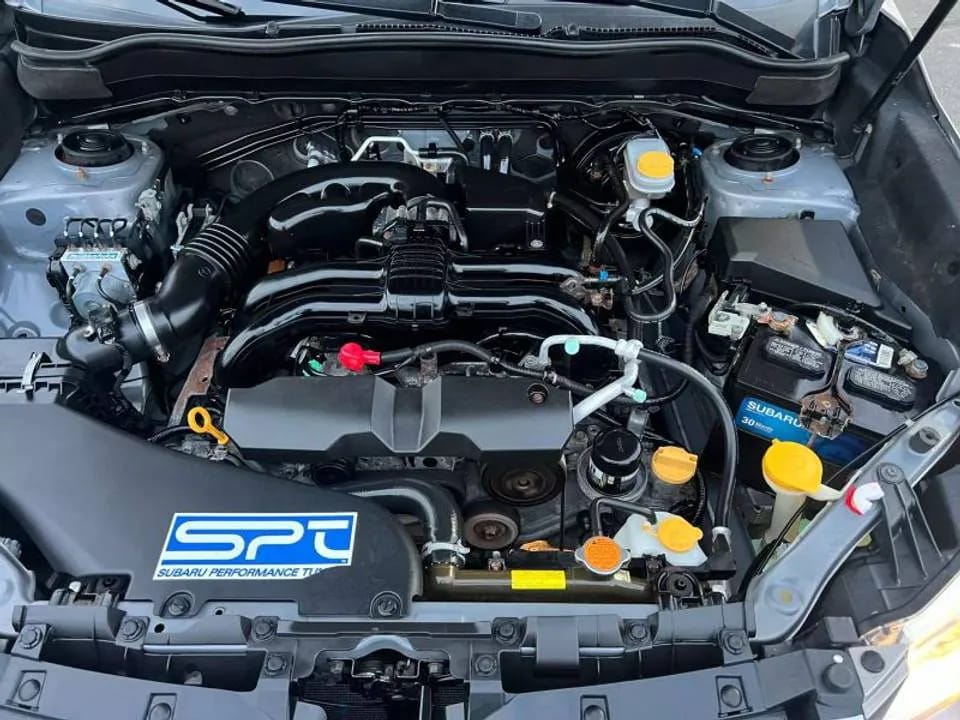
- 2.5-Liter Naturally Aspirated Flat-Four: This is the more common engine found in the 2.5i, 2.5i Premium, 2.5i Limited, and 2.5i Touring trims. It produces 170 horsepower at 5,800 rpm and 174 lb-ft of torque at 4,100 rpm. This engine is paired with either a six-speed manual transmission (available on 2.5i and 2.5i Premium) or a continuously variable automatic transmission (CVT), which is optional on the 2.5i and 2.5i Premium, and standard on the 2.5i Limited and 2.5i Touring. The 2.5-liter engine provides adequate power for daily driving and highway cruising, focusing more on fuel efficiency and reliability.
- 2.0-Liter Turbocharged Flat-Four: Available exclusively in the XT models (XT Premium and XT Touring), this engine significantly boosts performance. It delivers 250 horsepower at 5,600 rpm and 258 lb-ft of torque starting at a low 2,000 rpm. This engine is paired exclusively with a high-torque CVT that includes a manual mode with paddle shifters, simulating six or eight gears depending on the driving mode. The turbocharged engine transforms the Forester into a much more spirited vehicle, offering strong acceleration and passing power.
Transmission and Drivetrain
Both engines are known for their robust construction. For used car buyers at DMV USED CARS LLC, understanding the maintenance history of either engine is crucial, particularly oil change intervals, which are vital for the longevity of any engine, especially turbocharged ones.
The transmission options include:
A cornerstone of the 2016 Subaru Forester appeal, and a key selling point for a used model, is Subaru’s Symmetrical All-Wheel Drive system, which is standard on every trim level. This system provides constant power to all four wheels, enhancing traction and stability in various driving conditions, including rain, snow, and light off-road situations.
Interior Space and Comfort
The combination of standard AWD and capable transmissions makes the 2016 Subaru Forester a confident performer in challenging weather or on unpaved roads, adding significant value for used car buyers in areas with varied climates or terrain.
- Six-Speed Manual: Available only on the base 2.5i and 2.5i Premium trims. It offers direct driver engagement but is less common in the used market compared to CVT models.
- Continuously Variable Transmission (CVT): This is the more prevalent transmission, standard on higher 2.5i trims and all XT trims. Subaru’s CVT is designed for smooth acceleration and optimal fuel efficiency. While early CVTs in the industry sometimes had reliability concerns, Subaru has refined its CVT technology over the years. For a used 2016 model, checking the transmission fluid service history is recommended. The XT models feature a heavier-duty CVT designed to handle the increased torque.
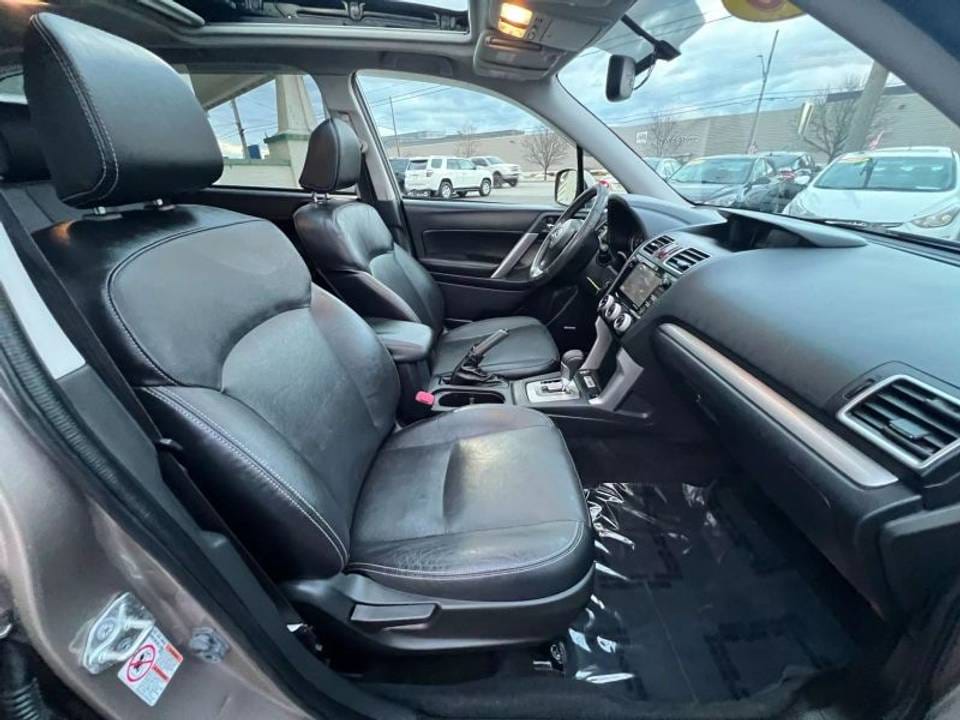
The interior of the 2016 Subaru Forester is designed with practicality and passenger comfort in mind. It offers a spacious cabin with excellent headroom and legroom for both front and rear occupants, making it comfortable for long journeys. The tall roofline and large windows contribute to an airy feeling and provide outstanding outward visibility, a significant safety and convenience factor for drivers.
Key interior dimensions and features include:
- Seating: Comfortable seating for five adults.
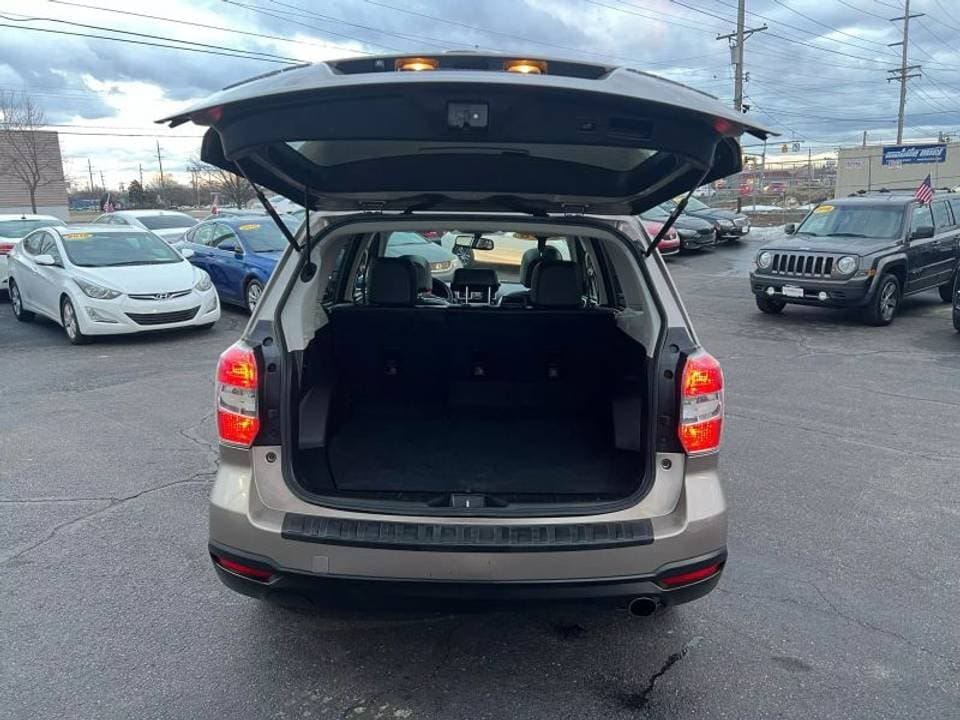
- Cargo Volume: One of the 2016 Subaru Forester strongest points is its cargo capacity. Behind the rear seats, it offers 31.5 cubic feet of space in models without the panoramic sunroof and 34.4 cubic feet in models equipped with it. With the 60/40 split-folding rear seats folded down, the cargo area expands significantly to 68.5 cubic feet (without sunroof) or 74.7 cubic feet (with sunroof). This generous space is highly practical for carrying luggage, groceries, sports equipment, or even larger items.
- Materials: The interior materials are durable and designed to withstand daily use, which is important for a used vehicle. Base models feature cloth upholstery, while higher trims offer leather.
- Features: Standard features on the base 2.5i include power windows and locks, cruise control, a tilt-and-telescoping steering wheel, a rearview camera, Bluetooth phone and audio connectivity, and a four-speaker sound system with a 6.2-inch touchscreen display. As you move up the trim levels, features like heated front seats, a power-adjustable driver’s seat, automatic climate control, a larger 7-inch touchscreen, navigation, and a premium Harman Kardon audio system become available.
Infotainment System
For a used 2016 Subaru Forester, the condition of the interior materials and the functionality of all features, especially the infotainment system and power accessories, are important aspects for DMV USED CARS LLC customers to inspect.
The 2016 Subaru Forester features Subaru’s Star link infotainment system. Depending on the trim, it comes with either a 6.2-inch or a 7-inch touchscreen. The system includes AM/FM radio, CD player, USB and auxiliary inputs, Bluetooth connectivity, and integration with certain smartphone apps like Pandora and iHeartRadio. Higher trims add satellite radio and navigation.
Safety Features and Ratings
While functional, the Starlink system in the 2016 Subaru Forester model year was considered somewhat basic compared to some competitors at the time. Reviewers noted that the interface could be slow to respond and less intuitive than newer systems However, for a used car buyer, the system provides essential connectivity and entertainment features. It’s important to check that the touchscreen is responsive and all functions work correctly.
Standard safety equipment on all 2016 Subaru Forester includes:
Safety is a major strength of the 2016 Subaru Forester, making it a reassuring choice for families and safety-conscious buyers at DMV USED CARS LLC.
- Antilock brakes (ABS)
- Traction and stability control
- Front-seat side airbags
- Side curtain airbags
- A driver’s knee airbag
- Hill descent control (with CVT)
- Hill start assist (with manual transmission)
- Rearview camera
- Adaptive cruise control
- Forward collision warning with automatic emergency braking
- Lane departure warning
- Lane sway warning
2016 Subaru Forester optional EyeSight driver assistance technology suite is available on certain trims (Premium, Limited, and Touring with the CVT). This system uses cameras mounted near the rearview mirror to provide features such as:
Driving Experience
In crash testing, the 2016 Subaru Forester received excellent ratings. The National Highway Traffic Safety Administration (NHTSA) awarded it a five-star overall safety rating . The Insurance Institute for Highway Safety (IIHS) named the 2016 Subaru Forester a Top Safety Pick+ when equipped with the EyeSight system, earning the highest rating of “Good” in all crashworthiness tests and a “Superior” rating for front crash prevention with EyeSight . These high safety ratings are a significant advantage for a used vehicle and contribute to peace of mind for the buyer.
The driving experience of the 2016 Subaru Forester is characterized by comfort, stability, and ease of use. Thanks to its lower center of gravity from the Boxer engine and the standard Symmetrical AWD, the Forester feels planted and secure on the road.
- Ride Quality: The suspension is tuned for comfort, effectively absorbing bumps and imperfections in the road, providing a smooth ride suitable for daily commuting and long trips .
- Handling: While not a sporty vehicle, the Forester handles predictably and confidently. The steering is responsive, and body roll is reasonably controlled for an SUV of its height, though it’s more noticeable than in lower-riding vehicles or sportier crossovers like the Mazda CX-5
- Visibility: As mentioned, the large windows and relatively upright seating position provide exceptional outward visibility in all directions, which is a major benefit for maneuvering in traffic and parking.
- Performance: The 2.5-liter engine provides adequate, though not exhilarating, acceleration. The CVT works smoothly to keep the engine in its optimal power band for efficiency. The turbocharged 2.0-liter XT models offer significantly stronger performance, making merging onto highways and passing much easier.
Beyond its spacious interior and cargo capacity, the 2016 Subaru Forester offers several practical features:
Practicality and Utility
For a used 2016 Subaru Forester, the driving experience should feel solid and stable. Any unusual noises, vibrations, or handling characteristics should be inspected.
Trim Levels
These practical aspects make the 2016 Subaru Forester a highly functional vehicle for a wide range of uses, enhancing its appeal as a used purchase.
- Towing Capacity: The 2016 Forester has a maximum towing capacity of 1,500 pounds . This is sufficient for towing small trailers, kayaks, or bicycles, adding to its versatility for recreational activities.
- Roof Rails: Standard on most trims, these allow for easy attachment of aftermarket crossbars and carriers for transporting bikes, skis, or cargo boxes.
- Ground Clearance: The generous ground clearance is beneficial for navigating unpaved roads, speed bumps, or moderate snow depths.
- Easy Entry/Exit: The relatively high seating position and wide door openings make it easy for passengers of all ages to get in and out of the vehicle.
The 2016 Subaru Forester was available in several trim levels, offering varying levels of equipment and features. Understanding the differences is important for DMV USED CARS LLC customers to find a vehicle that meets their specific needs and budget.
Reliability and Ownership
When considering a used 2016 Subaru Forester at DMV USED CARS LLC, reviewing the specific trim level and its included features is essential to ensure it aligns with your expectations.
- 2.5i: The base model includes standard features like the 2.5-liter engine, Symmetrical AWD, rearview camera, 6.2-inch Starlink touchscreen, Bluetooth, and cruise control. Available with manual or CVT.
- 2.5i Premium: Adds features like 17-inch alloy wheels, a panoramic sunroof, body-color side mirrors, rear spoiler, automatic climate control, a 10-way power driver’s seat, and an upgraded audio system. Available with manual or CVT. The EyeSight system was optional on CVT models.
- 2.5i Limited: Builds on the Premium trim (with CVT only) and adds leather upholstery, heated front seats, fog lights, automatic headlights, and a power liftgate. The EyeSight system was optional.
- 2.5i Touring: The top-tier 2.5i trim (with CVT only) includes all Limited features plus an upgraded instrument cluster, a premium Harman Kardon audio system, and the 7-inch Starlink touchscreen with navigation. The EyeSight system was standard on this trim.
- 2.0XT Premium: The entry-level turbocharged model includes the 2.0-liter turbo engine, high-torque CVT, 18-inch alloy wheels, sport-tuned suspension, and unique XT styling cues. Features are comparable to the 2.5i Premium but with the performance powertrain.
- 2.0XT Touring: The top-tier turbocharged model combines the performance of the 2.0XT Premium with the luxury features of the 2.5i Touring, including leather, heated seats, power liftgate, 7-inch Starlink with navigation, and the Harman Kardon audio system. The EyeSight system was standard on this trim.
Subaru vehicles, including the 2016 Subaru Forester, generally have a reputation for being reliable and durable, which is a significant factor for used car buyers. The 2016 Subaru Forester model year is part of a generation (2014-2018) that is generally well-regarded.
Common considerations for a used2016 Subaru Forester include:
Conclusion
For customers at DMV USED CARS LLC, a pre-purchase inspection by a trusted mechanic is always advisable to assess the specific condition of any used vehicle, including a 2016 Forester.
- Maintenance: Regular maintenance, particularly oil changes and transmission fluid changes (especially for the CVT), is crucial for the longevity of these vehicles. Checking service records is highly recommended.
- Head Gaskets: While less prevalent than in older generations, some Subaru Boxer engines have historically been susceptible to head gasket issues. By the 2016 Subaru Forester model year, this was less common, but it’s still something to be aware of and potentially have inspected.
- CVT Longevity: While improved, the CVT’s long-term durability can be influenced by driving habits and maintenance. A pre-purchase inspection can help assess the transmission’s condition.
- Resale Value: Foresters tend to hold their value well, which is a positive for the original owner but means they command a relatively strong price in the used market. However, their reliability and capability often justify the cost for buyers seeking a dependable used SUV.
In summary, the 2016 Subaru Forester is a highly capable and practical compact SUV that makes an excellent used vehicle choice for customers at DMV USED CARS LLC. Its standard Symmetrical All-Wheel Drive system provides confidence in all weather conditions, while its spacious interior and generous cargo capacity offer outstanding utility for families and active individuals. With strong safety ratings, a comfortable ride, and a reputation for
reliability, the 2016 Subaru Forester offers significant value in the used car market. Whether you prioritize fuel efficiency (2.5i) or performance (2.0XT), there is a Forester trim level to suit your needs. While the infotainment system may feel a bit dated compared to newer vehicles, the core strengths of practicality, safety, and all-weather capability remain highly relevant and appealing for used car buyers seeking a dependable and versatile SUV.
2016 Subaru Forester Oil Filter: Everything You Need to Know
The 2016 Subaru Forester is known for its durability, performance, and long-term reliability—qualities that are heavily dependent on regular maintenance. One of the most essential components in preserving your Forester’s engine health is the oil filter. While often overlooked, the oil filter plays a critical role in protecting the engine by ensuring that only clean, debris-free oil circulates throughout the system.
In this article, we’ll explore the function of the oil filter, the type used in the 2016 Subaru Forester, when to replace it, and tips for maintaining optimal engine performance.
What Does the Oil Filter Do?
The oil filter’s main job is to remove dirt, metal particles, carbon deposits, and other impurities from the engine oil. As the oil circulates through the engine, it picks up debris caused by wear and tear. If this contaminated oil continues to flow freely, it can cause friction, reduce lubrication efficiency, and eventually lead to engine damage.
A clean and efficient oil filter ensures that the oil reaching the engine’s internal components is free of harmful contaminants. This keeps the engine running smoothly, increases its lifespan, and optimizes performance and fuel efficiency.
Oil Filter Specifications for the 2016 Subaru Forester
The 2016 Subaru Forester is available with two engine options:
-
2.5L 4-cylinder engine (non-turbo)
-
2.0L turbocharged 4-cylinder engine (XT models)
Both engines use different oil filters, so it’s important to choose the correct one based on your specific model and engine type.
Recommended Oil Filters:
-
2.5L Engine (Non-Turbo):
Subaru OEM Part Number: 15208AA15A (or 15208AA12A in earlier versions)
Common aftermarket equivalents: Fram PH6607, Purolator PL14610, Bosch 3300, Mobil 1 M1-108A -
2.0L Turbocharged Engine (XT Models):
Subaru OEM Part Number: 15208AA170
Common aftermarket equivalents: Purolator PL14612, K&N HP-1008, Fram XG6607
OEM filters are typically recommended for the best fit and performance, but high-quality aftermarket brands can also deliver reliable results.
When Should You Replace the Oil Filter?
2016 Subaru Forester recommends changing the oil filter at every oil change, which typically occurs every 6,000 miles or 6 months, whichever comes first. However, if you drive in harsh conditions—such as frequent stop-and-go traffic, dusty environments, or extreme temperatures—it’s wise to consider more frequent oil and filter changes.
Signs that your oil filter may need replacement sooner include:
-
Engine running louder than usual
-
Decreased oil pressure
-
Dirty or darkened oil
-
Warning lights on the dashboard
Regular maintenance ensures the engine remains protected, especially under demanding driving conditions.
How to Replace the Oil Filter
Replacing the oil filter on a 2016 Subaru Forester is a relatively simple task if you’re comfortable with DIY vehicle maintenance. Here’s a quick overview:
-
Warm up the engine to thin the oil for easier draining.
-
Raise the vehicle using jack stands or ramps.
-
Drain the old oil from the oil pan.
-
Remove the old oil filter (using an oil filter wrench if needed).
-
Apply a thin layer of oil to the gasket of the new filter.
-
Install the new filter by hand, tightening it snugly.
-
Refill the engine with the recommended oil type.
-
Check for leaks after starting the engine.
Always dispose of the used oil and filter properly by taking them to an authorized recycling center.
The oil filter in your 2016 Subaru Forester may be small, but it plays a massive role in the overall health and performance of your engine. Using the correct filter and replacing it regularly can prevent costly repairs and keep your vehicle running reliably for years to come. Whether you choose OEM or a high-quality aftermarket brand, ensuring clean engine oil is one of the most important steps in responsible car ownership.
2016 Subaru Forester Oil Capacity: Complete Guide for Proper Maintenance
The 2016 Subaru Forester is known for its reliability, safety, and all-weather performance. To keep your Forester running smoothly, one of the most critical aspects of regular maintenance is monitoring and maintaining the engine oil. Understanding your vehicle’s oil capacity is essential to ensure proper lubrication, engine protection, and long-term performance.
In this article, we’ll cover the exact oil capacity for both engine types offered in the 2016 Forester, recommended oil types, how to check and change the oil, and a few maintenance tips to keep your engine in top condition.
Engine Options and Oil Capacity
The 2016 Subaru Forester came with two different engine options. Each has a slightly different oil capacity:
-
2.5L 4-Cylinder Engine (Non-Turbo – 2.5i models):
-
Oil Capacity with Filter: 5.1 quarts (4.8 liters)
-
Recommended Oil Type: 0W-20 synthetic motor oil
-
-
2.0L Turbocharged 4-Cylinder Engine (XT models):
-
Oil Capacity with Filter: 5.4 quarts (5.1 liters)
-
Recommended Oil Type: 5W-30 synthetic motor oil
-
It’s important to always include the oil filter when determining the correct oil volume. The oil filter holds some of the oil, and skipping it can result in under-filling your engine.
Choosing the Right Oil
Subaru recommends synthetic oil for both engine types, but the viscosity differs based on engine type:
-
0W-20 synthetic oil for the naturally aspirated 2.5L engine. This oil type ensures maximum fuel efficiency and excellent cold-start performance.
-
5W-30 synthetic oil for the turbocharged 2.0L engine. This oil offers greater thermal stability to support the higher performance and temperature demands of a turbo engine.
Using the correct oil not only ensures better performance but also protects your engine from unnecessary wear.
How to Check Your Oil Level 2016 Subaru Forester
Checking your oil regularly can prevent potential engine damage and alert you to leaks or abnormal oil consumption. Here’s how to do it:
-
Park on a level surface and turn off the engine. Wait a few minutes for the oil to settle.
-
Open the hood and locate the dipstick, usually marked in yellow or orange.
-
Pull out the dipstick, wipe it clean, reinsert it fully, then pull it out again.
-
Check the oil level. It should be between the “low” and “full” marks.
-
Examine the oil’s color and consistency. Clean oil should be amber in color. If it looks dark, dirty, or gritty, it’s time for a change.
When to Change Your Oil
Subaru recommends an oil change every 6,000 miles or 6 months, whichever comes first, for the 2016 Forester using synthetic oil. However, if you often drive in extreme temperatures, dusty environments, or stop-and-go traffic, it’s smart to check the oil more frequently and consider shorter intervals.
Oil changes are a small investment that can prevent costly engine repairs down the road.
DIY Oil Change Tips
If you’re planning to change the oil yourself, here are a few basic steps:
-
Warm the engine slightly to help the oil drain more easily.
-
Raise the vehicle safely with ramps or jack stands.
-
Remove the oil drain plug and let the old oil flow into a container.
-
Replace the oil filter with a new, compatible one.
-
Reinstall the drain plug, tighten it, and add the correct amount and type of new oil.
-
Check for leaks, then measure the oil level again using the dipstick.
Be sure to dispose of used oil and filters at a certified recycling center.
Knowing the correct oil capacity for the 2016 Subaru Forester is essential for anyone who wants to properly maintain their vehicle and extend engine life. With either 5.1 quarts or 5.4 quarts depending on the engine, and the right synthetic oil, you can ensure your Forester continues to perform reliably for many miles to come.
Whether you’re a DIY enthusiast or visiting your local mechanic, staying informed about your vehicle’s oil needs is one of the simplest—and most important—ways to protect your investment.



Reviews
There are no reviews yet.